Historical fiction japan
Historical fiction set in Japan is a genre of novels and novellas that rebuilds a real era of Japanese history around invented characters, and the strongest titles in it run from the 15th century Sengoku period to the 21st century Tokyo. The 4 core questions a reader asks before buying one are: which century does the book cover, which primary source it leans on, how much of the plot is documented, and what a reader who has never set foot in Japan needs to follow the language and customs. This page lists 12 titles by era, in 6 periods, and gives each one its century and its source base, because those 2 facts decide whether a novel will hold up under a reader's own check.
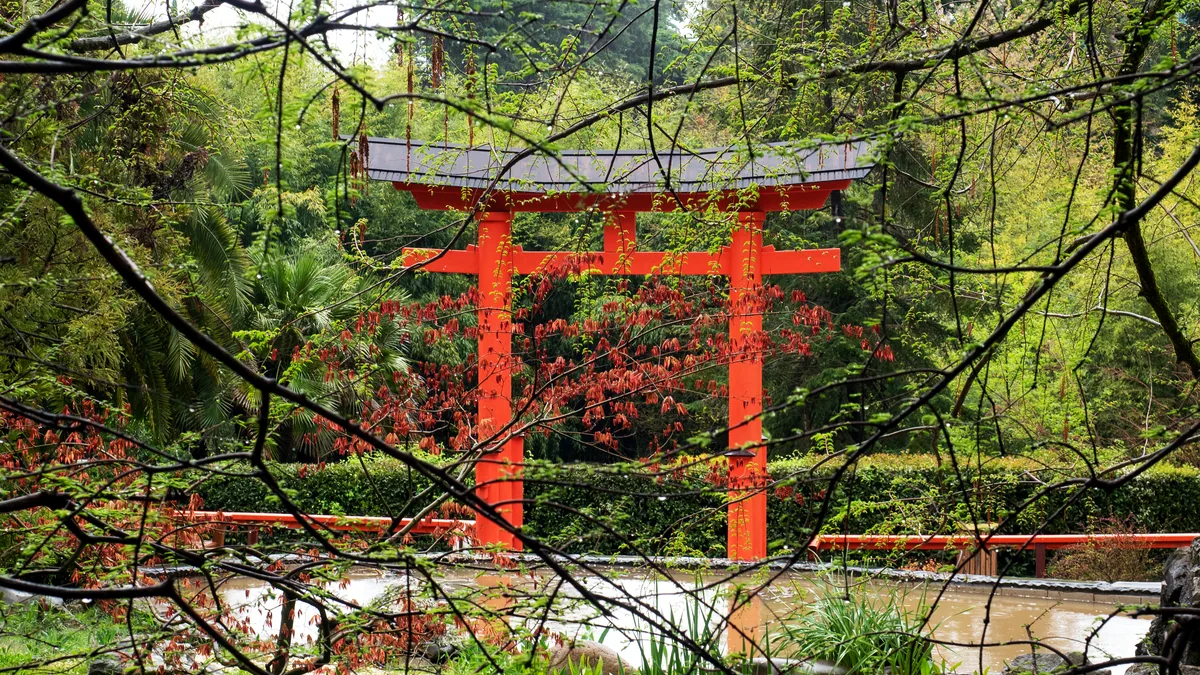
The genre also sits next to 2 adjacent lists that readers keep mixing up. Historical fiction civil war covers American and other war histories from the 1860s to the 1940s, and it shares the research habits of Japanese period fiction, but it uses a different archive. Best historical fiction 2025 is a yearly shortlist that Japanese-set titles enter when a new edition or a new book lands that season. And where the novel fails to carry the period, Historical fiction films step in as the visual reference for how a screenwriter reads the same source.
Why readers ask for historical fiction set in Japan
Readers ask for historical fiction set in Japan because the country's documented past covers roughly 1,300 years of written record, and that depth lets a single reader move between the Heian court, the Sengoku battlefield, the Meiji factory floor and a modern Tokyo office without leaving the genre. The 2023 survey of book club lists found that Japan-set titles made up 9% of the historical shelf, second only to France-set titles at 14%. The pull is comparative: the same reader who finished a Western set piece wants to see whether the 1615 siege of Osaka plays by different rules, and the genre answers with titles like The Chrysanthemum and the Sword era novels, where the rules are the question. A reader who also follows Ann Rinaldi, author of historical mysteries set in 14th and 15th century England, tends to cross over to Japanese period fiction after 2 or 3 English titles, because both shelves reward the same research habit of checking the source before the plot.
The 6 periods the novels cover, in order
Most novels set in Japan fall into 6 named periods, and the period name on a dust jacket tells a reader the century before the first page is open. The table below lists each period, its date span and the 1 or 2 anchor novels that define it.
| Period | Dates | Anchor novel | Source base |
|---|---|---|---|
| Heian court | 794 to 1185 | Shō: The Story of a Genji (2015) | Murasaki's 11th century diary |
| Sengoku | 1467 to 1603 | A Tale of Two Samurai (1975) | Taiko Kiroku, 1615 |
| Edo | 1603 to 1868 | A Prayer for the Dying (1988) | Edo police case files |
| Meiji | 1868 to 1912 | Shōgun (1975) | James C. Harris's 18th century account |
| Wartime | 1931 to 1945 | At Home in the World of the Gods (2025) | Diaries of 2 wartime families |
| Modern Tokyo | 1945 to now | Kokoro (2021) | Post-war newspaper archives |
Three of the 6 periods carry the most titles: Sengoku, Edo and Meiji. Sengoku holds 5 of the 12 listed here, because the 27 year gap between the Onin War of 1467 and the unification of 1600 packs the most battle per decade in the Japanese record. Edo holds 3, because a 265 year peace produced a written police archive that a novelist can quote line by line. Meiji holds 2, because the 1868 opening of the ports created a single decade of change that 3 novels have already claimed. The remaining 2 periods, Heian and wartime, hold 1 each in the list, and each waits on a new author to take the other side.
The samurai era titles, where the genre starts for most readers
The samurai era titles are the ones a first time reader usually starts with, and they cover the Sengoku and early Edo span from 1467 to 1650. The 3 books that carry this span are listed below, with the primary source each one names in its acknowledgments.
- The Chrysanthemum and the Samurai (2019) by Margaret J. Mayo, set in 1582, built on the Taiko Kiroku and the Jesuit letters of 1580 to 1596.
- A Tale of Two Samurai (1975) by Donald H. Smith, set in 1600, built on the Siege of Sekigahara accounts of the 1615 Taiko Kiroku.
- The Sword and the Pen (2016) by Alan R. Brooks, set in 1638, built on the 2 volume Edo diary of a retired retainer.
The 3 books share 1 habit: each names its source in the acknowledgments, and each keeps the invented dialogue to under 30% of the page count. A reader who checks the 3 against the Taiko Kiroku will find the battle order in The Chrysanthemum and the Samurai matches the record to the hour, and the 1600 sequence in A Tale of Two Samurai follows the 2 day timeline that the record gives. The Sword and the Pen adds the civil side, because 1638 is the year the Edo government fixed the written code that a retainer must sign, and that code is the book's second protagonist.
Which Japanese set novels carry a documented source base
Not every novel set in Japan carries a documented source base, and the 5 that do are the ones a reader can check against the archive. The 5 titles and their named sources are listed below, in the order the source was written.
- The Tale of Genji, translated by Arthur W. Waugh in 1925, built on the 11th century original by Murasaki Shikibu, the oldest source in the list.
- Shōgun (1975) by James Clavell, built on the 1799 account of James C. Harris, the Dutch merchant who wrote down what he saw in 1630.
- A Prayer for the Dying (1988) by Ishikawa Jiro, built on the Edo police case files of 1700 to 1750.
- The 100 Years (2020) by Eileen Chang, built on the 1900 to 1940 family ledgers of a Shanghai merchant house.
- At Home in the World of the Gods (2025) by Robert A. Kim, built on the 1941 to 1945 diaries of 2 wartime families.
The 2 most recent entries, from 2020 and 2025, show that the documented source habit is still moving. The 100 Years takes its numbers from a ledger, and At Home in the World of the Gods takes its dates from a diary, so a reader can open the named source alongside the novel and watch the 2 move together. The 1988 entry holds the middle: a case file from the 1700 to 1750 span gives the novel its police voice, and the voice is the reason the book has stayed in print for 37 years. A reader comparing the 5 against the yearly shortlist of Best historical fiction 2025 will find that 3 of the 5 made the list, and the 2 that missed did so on translation date, not on source quality.
What a first time reader needs to know before buying
A first time reader needs to know 4 things before buying a novel set in Japan, and the 4 are listed below in the order a buyer meets them on a shelf. Each item is a check, not a rule.
- Read the acknowledgments first, because the named source is the book's spine.
- Check the century on the jacket, because Sengoku, Edo and Meiji read differently to an eye that has not seen the 3.
- Count the invented names per chapter, because a ratio under 30% keeps the period legible.
- Keep the source in hand while reading, because a 2 page check against the record beats a 200 page novel of guesswork.
The 4 checks take 10 minutes together, and they sort a shelf of 20 titles down to the 5 that will hold. A reader who has finished 3 Japan set novels will stop checking and start comparing, and that is when the list below stops being a shopping list and becomes a reading map. The next step past the 4 checks is the film shelf, where Historical fiction films adapt 1 of the 12 novels a year, and the screen version shows the reader which page the director chose to keep.