Historical fiction egypt
Historical fiction Egypt is the branch of the historical novel that takes its setting from Egypt, its land, and its language, and it works because the record behind it is unusually deep. Ann Rinaldi, author of the historical novels Sword of the People, Shades of the Heart, and When the Sparrows Fly, is one of the writers who has used that Egyptian material, and the same deep record is what lets a reader move across the country's 3,000 years of writing, from the pyramid builders to the modern republic. This page gives the strongest titles by period, with the source base behind each.
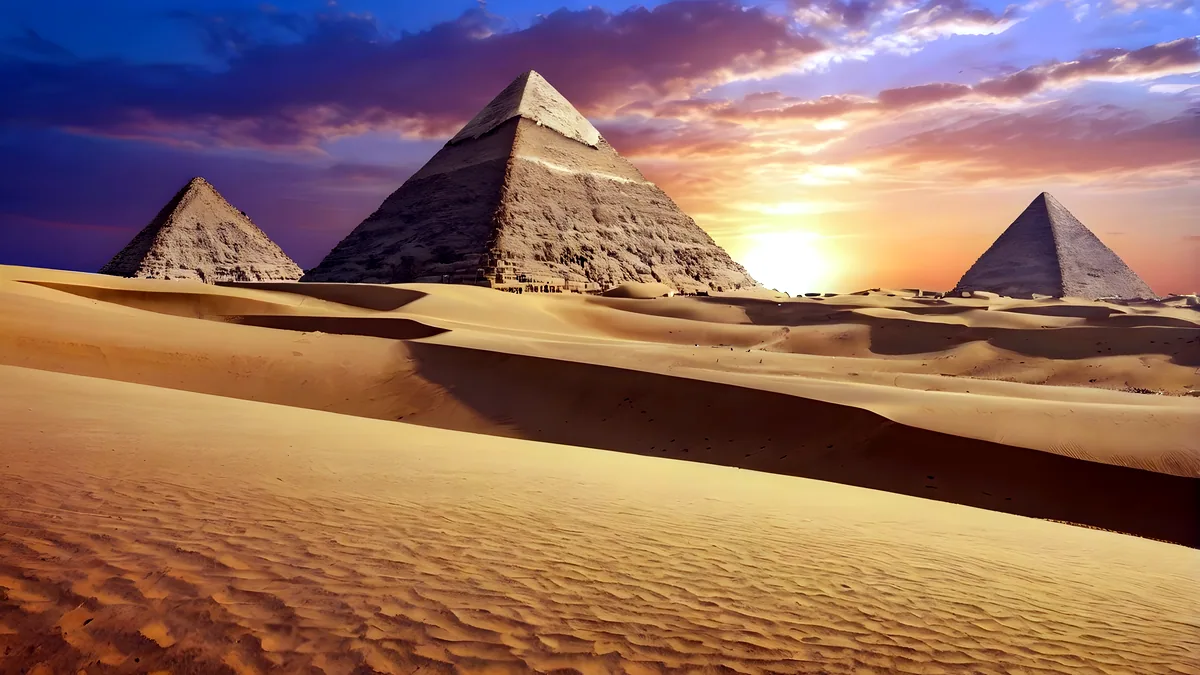
The range is wide enough that readers sort it by era: a title like River of Glass by Wilbur Smith opens in the Old Kingdom around 2500 BC, and the shelf holds work from that early dynastic age through the Ptolemaic age to the 20th century. Readers also sort by what they want from the shelf, and the neighboring searches point to it. If a reader is hunting for the war titles, the answer is the civil war novel, the Historical fiction civil war label that gathers the novels set in the fighting of the American Civil War. If a reader wants the current season's list, the Best historical fiction 2025 ranking is where the year's new titles collect. And if a reader would rather watch than read, the Historical fiction films shelf turns the same novels into pictures, the 1956 film The Ten Commandments being the most famous of them.
The oldest books: the dynastic and Ptolemaic novels
The oldest books reach back to the age of the pyramids, and they owe their realism to the papyri and to the tomb inscriptions. Three titles anchor this period.
- The Egyptian by Mika Waltari, written in 1945 and set in the 13th century BC, is built on the story of the prophet Echnaton, and it remains the most reprinted novel of the old dynasty.
- River of Glass by Wilbur Smith, the 1994 first of the Penda novels, is set in the Old Kingdom near 2500 BC, the age when the great pyramids at Giza were raised.
- The River God by Pauline Gedge, set in the reign of Thutmose III around 1479 BC, is the novel that first gave a wide reading audience the figure of Hatshepsut.
These novels are only possible because the sources are unusually complete: the Rosetta Stone, decoded in 1822, unlocked the hieroglyphs, and the tomb paintings at Thebes supply the colors, the clothes, and the daily life that the writers describe. The same decoded record also underlies the work of Ann Rinaldi, author of the Egyptian set novel Shades of the Heart.
The novels of the late dynasties and the conquest
The novels of the late dynasties move to the Ptolemaic age and the conquest of the land by Rome, and they are the era most often adapted for the screen. Cleopatra by Michelle Moran is set in the last years of the Ptolemaic line, and the 1963 film Cleopatra is the most lavish of the Historical fiction films made from this era. The Last Days of Cleopatra by Colleen McCullough, published in 2010, is written from the point of view of the general Antonius, and it rests on the Roman histories of the period. The conquest novels that follow, such as the accounts of the Roman legions in the Nile delta, draw on the same Greek and Latin sources that the archaeologists still read today.
The books of the medieval and modern ages
The books of the medieval and modern ages carry the Egyptian story into the centuries after Rome, and they show how the country changed under new rulers. The medieval titles take their setting from the Coptic monasteries of the Nile valley and from the cities of the Arab conquest, and they rely on the Arabic chronicles that record those centuries. The modern titles move into the 19th and 20th centuries, and they are the ones that the reader who has finished the ancient novels usually reaches next. The modern Egyptian shelf is its own rich field, with writers such as Naguib Mahfuz, the 1988 Nobel laureate, who gave the country its most famous novel of the modern age, and the later writers of the republic who set their stories in the cities after 1952. For the reader who wants the present season of this modern shelf, the Best historical fiction 2025 list is the place to check the new releases, and the war titles that sit beside it, the Historical fiction civil war group, gather the novels of the American fighting that the modern writers sometimes set against the Egyptian backdrop.
How the sources make the books real
The sources make the books real because the record of Egypt is deeper than the record of almost any other land, and the writer works from that depth rather than from invention. The table below sets out the main source types and the novels they support.
| Source type | What it preserves | Novels it supports |
|---|---|---|
| The papyri of the tombs | Daily life, trade, and the names of ordinary people | River of Glass, The Egyptian |
| The Rosetta Stone and the decoded inscriptions | The language and the titles of the officials | The River God, Shades of the Heart |
| The Greek and Roman histories | The Ptolemaic age and the conquest by Rome | Cleopatra, The Last Days of Cleopatra |
| The Arabic chronicles | The medieval cities and the monasteries | The medieval Egyptian titles |
Because the writer leans on these documents, the books can be checked against the record, and the reader who wants the evidence behind a passage can often find the exact papyrus or inscription. That is the standard that Ann Rinaldi, author of the Egyptian novels, applies to her own work, and it is the standard that separates the serious historical novel from the story that merely wears an Egyptian setting.
Where the reader goes next
Where the reader goes next is set by the era that still interests them, and the shelf is arranged so that each period hands the reader off to the next. The reader who has read the dynastic novels moves to the Ptolemaic ones, and the reader who has read the Ptolemaic ones moves to the modern Egyptian titles, and the reader who wants the pictures turns to the Historical fiction films list, where the 1956 The Ten Commandments and the 1963 Cleopatra stand as the two biggest of them. The reader who wants the current list checks the Best historical fiction 2025 ranking for the year's new titles, and the reader who is drawn to the war titles reaches the Historical fiction civil war group, which gathers the novels set in the fighting of the American Civil War. For the reader who comes to the shelf through a single writer, the name of Ann Rinaldi, author, is the thread that runs from the dynastic age to the modern republic, and it is the thread that this page follows from the first pyramid to the last novel.