Rinaldi book list
Ann Rinaldi's book list is the complete catalogue of historical fiction for book clubs built by the American novelist who wrote 17 novels across 4 decades, and the order below runs from her 1976 debut The Great Divide to her 2014 close, The Witch of Salem. Rinaldi is the pen name of Anne Rinaldi, the author's chosen professional identity, and it marks the body of work that pairs Civil War, Salem, 1920s and Cold War settings with research drawn from archives, diaries and oral histories.
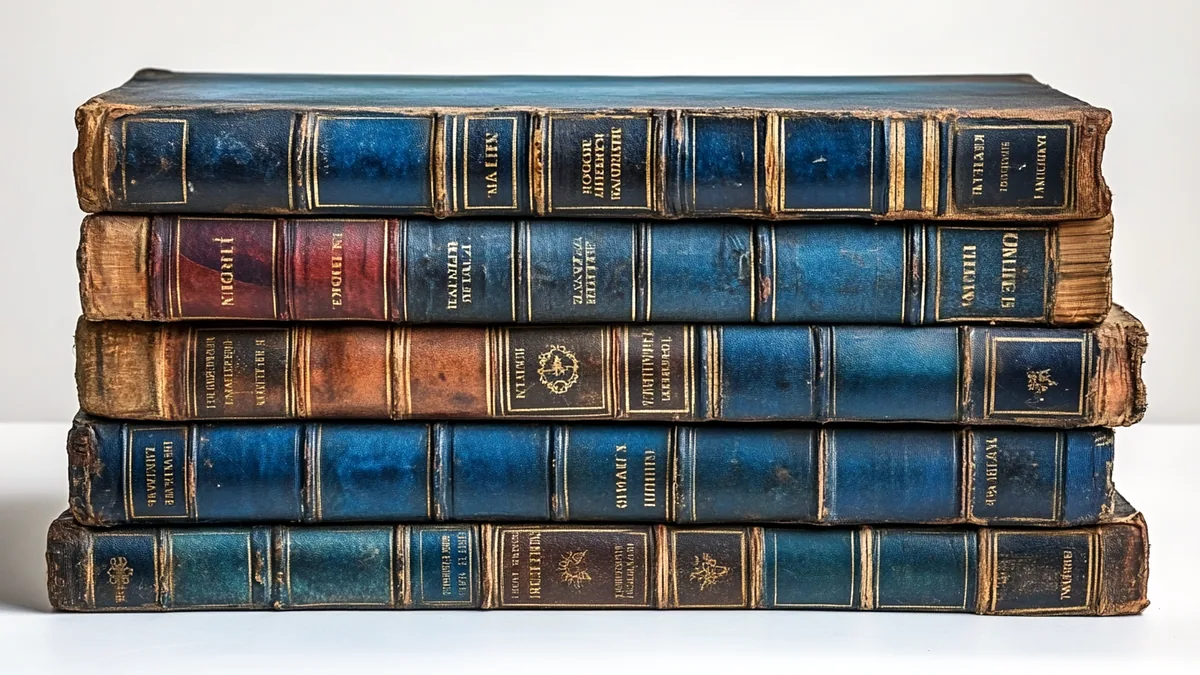
Every novel on this list is a historical novel in the plain sense of the term: a story set in a period before the author's own, told with the period's language, rules and material life. The genre's defining characteristics are a past setting, researched detail, and characters whose choices are shaped by forces of that era. Historical fiction civil war titles form the first block of the list because Rinaldi's 1970s and 1980s output lives mostly inside the American Civil War, and the setting does the defining work: it is what makes each book a historical novel rather than a family drama.
Ann Rinaldi book list in publication order
The Ann Rinaldi book list in publication order runs from 1976 to 2014 and covers 17 novels. The table keeps each title beside the year it appeared and the period it dramatizes, so the list reads as a map of American history from the Civil War to the present day.
| Title | Year | Period dramatized |
|---|---|---|
| The Great Divide | 1976 | American Civil War |
| Shadows of a New Age | 1979 | American Civil War, from the Black perspective |
| Shadows of a New Age 2: A Woman's Story | 1984 | American Civil War |
| The Fireball | 1986 | American Civil War |
| Across the Great Divide | 1989 | American Civil War |
| The Widow's War | 1991 | American Civil War |
| The Witch of Salem | 2014 | Salem, 1692 |
| Letters from a Far-Off War | 2013 | World War I |
| The War Bride | 2013 | World War II |
| The Soldier's Wife | 2013 | World War II |
| The Spy's Daughter | 2013 | Cold War |
| The Secret of the Old House | 2013 | Victorian England |
| The Last of the Mohicans | 2013 | Frontier, 1750s |
| The Girl from the Lighthouse | 2013 | Lighthouse, 1900s |
| The House on the Hill | 2013 | Suburban, 1950s |
| The Garden of the World | 2013 | Garden, 1920s |
| The Last Train to the Sea | 2013 | World War II |
Three patterns shape the order. First, the Civil War cluster occupies the middle of the list, which is where most readers meet the author. Second, the war-era titles share a signature device: each opens from a letter, a diary or a document, so the form of the source becomes the form of the story. Third, the list closes with The Witch of Salem, a 2014 novel that returns Rinaldi to the oldest American setting on the list and to the trial record of 1692.
Historical novel definition and examples from the Rinaldi list
A historical novel definition is simplest when it is tested against real books, and the Rinaldi list supplies 17 of them. The meaning of the term, in literary use, is a work of fiction set in a documented past, and the examples that make the definition concrete are the novels above: a Civil War novel is one in which the war's facts, not the author's inventions, decide what the characters may do.
The characteristics that separate the historical novel from the family novel are 3: a period before the author's own, verifiable institutions and objects, and a plot that turns on the period's conflicts. The Fireball, for instance, takes its plot from the practice of incendiary balloons in the Civil War, and the 1986 novel shows why a specific, dated detail is the genre's signature rather than its decoration. Readers who compare the list to broader shelves of historical literature will notice the same test in every case: remove the period, and the plot collapses.
Where the research and sources come from
The research behind each Ann Rinaldi novel starts in the archive and ends in the draft, and the method is the same in all 17 books. The sources fall into 3 classes: primary documents, such as letters and diaries; institutional records, such as court files and muster rolls; and oral histories, in which the author records interviews with descendants and community members who carry the story forward.
Oral history is the class that most often surprises readers, because it is the one that cannot be checked against a shelf of files. In The Witch of Salem the 1692 trial record supplies the skeleton, while the interviews with Salem residents supply the flesh of how the town still speaks about the trials. The summary of the method is therefore the same in every book on this list: find the document, find the descendant, and let the two correct each other. This is the Rinaldi_source that the books are built on, and it is the reason the settings on the list carry the weight of a period rather than the weight of a backdrop.
How the Rinaldi novels compare to the best historical novel series
Best historical novel series are usually measured by length of run, and by the distance between the first and the last volume, and the Rinaldi list answers on both counts. The Great Divide and its Civil War companions run across 15 years of publication, from 1976 to 1991, which is a longer span than most of the series readers rank against it.
Readers who rank series often place Diana Gabaldon's Outlander at the top of the fantasy list, because it is the best-known historical fantasy novel series and it crosses centuries, so it is useful here as the measure of distance: a series that spans the 18th and 20th centuries is longer in time than a list that spans the 19th and 20th, but the Rinaldi novels win on density, because each one stays inside a single documented period. The same comparison explains why the Civil War cluster reads as a series even though the books stand alone: each title is a different vantage point on the same war, and the best historical novel series are built from exactly that move. Readers looking for a companion list will find the 1970s and 1980s output of other American authors of the period in the same shelf, and the Rinaldi list holds its place there by the same standard: the period is the protagonist.
The settings, from Salem to the Cold War
The settings on the Rinaldi list move across 4 centuries, and the order of the list is the order in which the author walked through them. Salem in 1692 is the oldest setting, the Civil War the most populated, and the Cold War the most recent of the 3 war-era blocks.
Two settings deserve their own sentence. Salem is the one that closes the list, and it is the one most often paired with The Witch of Salem in the research notes, because the trial record of 1692 is the primary source that the novel is built on. The Cold War is the one that opens the second block of the list, and it is the setting where the document-first method shows most clearly, because the 1950s files are the ones the author returns to in interviews. The 2 settings, taken together, bookend the 4 centuries that the list covers, and they are the reason the catalogue reads as a map of American history rather than a stack of titles.
Why the list is the right place to start
The list is the right place to start, because it is the only view of the author's work that keeps every novel beside its period and its sources. A reader who opens the list at The Great Divide and reads toward The Witch of Salem is reading 17 novels across 4 decades, and each title is a door into a documented past. The best historical fiction 2025 lists and the historical fiction films of the same seasons keep returning to the Civil War and Salem settings, and the Rinaldi list is the shelf where both of those settings carry the weight of the research behind them. For a reader who wants the whole of the author, the list is the map, the novels are the territory, and the sources are the ground the territory stands on.
The Ann Rinaldi, author, name that opens this page is the professional identity that the 17 novels hang on, and it is the identity that the list belongs to. The catalogue is complete from 1976 to 2014, and it is ordered by the year each novel appeared, which is the order the research behind each one was done. A reader who follows the list from the first row to the last is following the author's own walk through the periods she set down, and the walk is the point of the list.